
Share/Save/Bookmark
HBOT - Harch Hyperbarics  - Healing New Orleans With Pure Oxygen!
Request for Appointment to Discuss HR4568, the "TBI Treatment Act,"
International Hyperbaric Medical Association

International Hyperbaric Medical Association

8210 Cinder Bed Road Ste C - 3, Lorton, Virginia 22079 - 1135

(540) 720 - 3844 Phone (540) 720 - 7454 Fax

Download


Senator Washington, DC 20510

Request for Appointment to Discuss HR4568, the "TBI Treatment Act," Added to the House Armed Services Bill and Effective Treatment to Biologically Repair Brain Injury, PTSD, and Depression

Dear Senator: June 9, 2010

Last week the House added HR4568, the TBI Treatment Act, to HR 5136, the House Armed Services bill. We urge the Senate to add this same provision to the Senate Armed Services bill or recede to the House provision. With its inclusion, war veterans can begin receiving treatment that works for TBI or PTSD.

The TBI Treatment Act is endorsed by the House Brain Injury Caucus. It makes it possible for members of the Armed Forces and veterans to seek treatment from civilian physicians who are successful at treating traumatic brain injury or post - traumatic stress disorder. There are civilian physicians have had war veterans make remarkable recoveries under their care. Unfortunately bureaucratic agendas have prevented access. The TBI Treatment Act creates a mechanism so that these veterans can get the latest treatment, and return to productive lives and careers. These treatments have already saved many millions of tax dollars for war - injured veterans, and many have already paid for themselves.

For example, the International Brain Research Foundation has been able to successfully awaken 84% of coma victims from their comas , thus greatly reducing the costs of a severe TBI patient. However, DoD medicine has not been willing to reimburse for this treatment. Awakening a patient from a coma saves $2,000 per day in medical costs . This bill would reimburse for every successfully awakened war veteran.

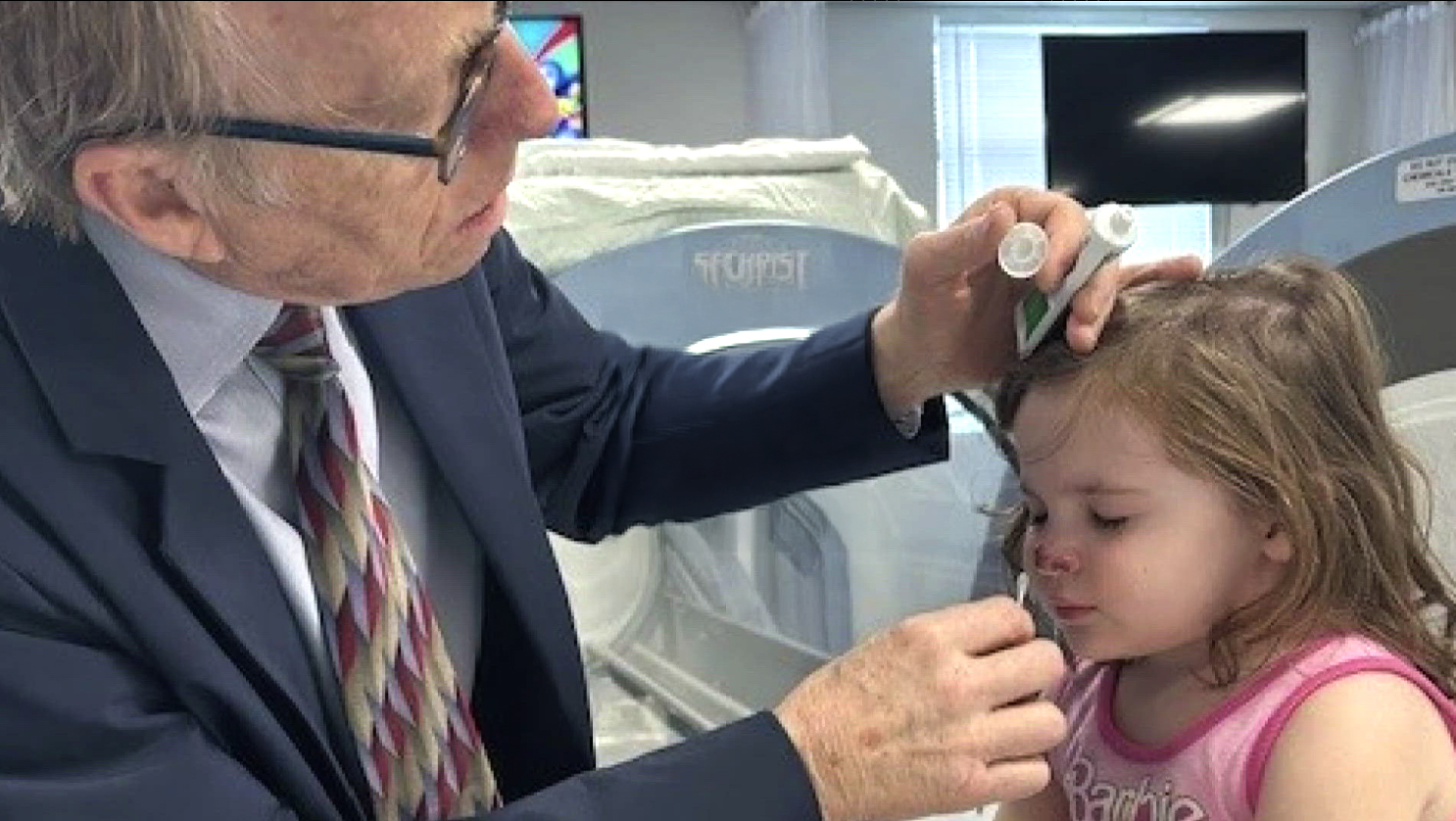
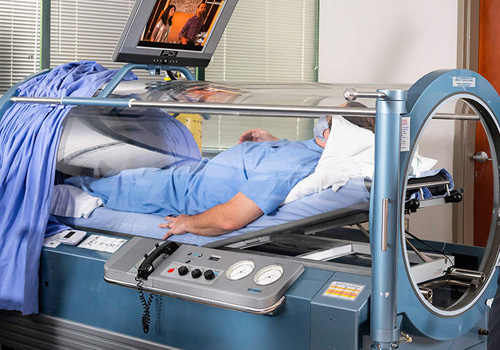
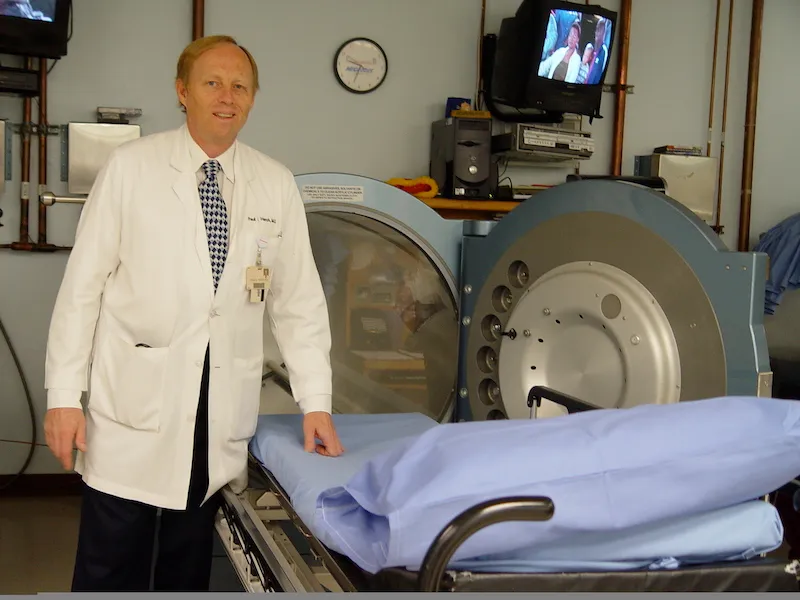
On March 12th, at the 8th World International Brain Injury conference, Dr. Paul Harch of Louisiana State University's School of Medicine, presented the results of his study of treatment of blast injured veterans using hyperbaric oxygen therapy to biologically repair brain injuries.These veterans experienced a statistically significant 15 point IQ increase (the equivalent difference between a high school dropout and a college graduate), a 40% reduction in post concussion syndrome symptoms, a 30% reduction in post - traumatic brain injury symptoms, and a 51% reduction in concussive depression. Eighty percent of those treated have been able to return to duty, work, or school. HR 4568 was written after two airmen were returned to active duty and Tricare refused to pay the physician for treatment, despite the obvious success and the federal savings of $2.6 million over the life of each veteran. Both have since had their medical board's canceled, and been promoted.

We have a national crisis of hundreds of thousands of blast injured veterans. We would like to meet with you about making effective treatments immediately available to our war veterans, and the other 30 million persons living with brain injury. HR 4568, the TBI Treatment Act, endorsed by the Brain Injury caucus, will help make this possible.

These innovative treatments the potential to truly help control entitlement spending. Untreated brain injury is the single most expensive chronic public health cost in America. It is billions in entitlement costs, mandatory spending, education costs, and lost productivity and tax revenue. Savings is possible. For example, in 2003, Medicare approved the IHMA's request for coverage of diabetic foot wounds with hyperbaric oxygen because it prevents 75% of all amputations. Today Medicare is saving an estimated $347 million from preventing just 11% of the amputations, thanks to oxygen.

Please contact me for an appointment at wduncan@dc - strategy.com. We look forward to briefing you. Please help with the Senate version of the TBI Treatment Act. Thank you for helping for our nation's veterans.

Signature

DR. WILLIAM A. DUNCAN
Vice President for Government Affairs
International Hyperbaric Medical Association


Congress of the United States

February 4, 2010

Support our Injured Troops and Veterans by Co-Sponsoring the TBI Treatment Act
(H.R. 4568)

Dear Colleague:
Thousands of our brave servicemen and women are returning from combat with severe cases of Traumatic Brain Injury (TBI), resulting in an inability to hold a job, properly care for their families, or in some cases, to overcome suicidal tendencies. As a nation, we have the responsibility for their care and recovery.

Currently, private physicians across the United States are treating brain injury patients with new and innovative treatments, not currently available within the Department of Defense (DoD) and Department of Veterans Affairs (VA) medical facilities, with remarkable results. The TBI Treatment Act helps expedite these ground-breaking treatments to our nations veterans and active duty soldiers suffering from TBI.

How does the TBI Treatment Act work?
  • Establishes a 5-year “pay-for-performance” pilot program, not to exceed $10 million/year
  • Physicians treat active duty soldiers and veterans at no cost to the patient
  • Only if the treatment is proven successful does the physician get reimbursed from the VA/DoD respectively (based on independent pre- and post-treatment neuropsychological testing, accepted survey instruments, neurological imaging, or clinical examinations)
  • Treatments must be FDA-approved and approved by an institutional review board operating in accordance with regulations issued by the Secretary of Health and Human Services

The TBI Treatment Act helps fulfill our obligation to our nation’s heroes and we look forward to
your support. If you would like to become a cosponsor of the TBI Treatment Act, please contact
Legislative Assistant Jim Silliman of Congressman Pete Sessions office at
Jim.Silliman@mail.house.gov or in the office at 202.225.2231.

Sincerely,

Signatures


Pete Sessions US Congressman

For Immediate Release: February 03, 2010
Contact: Emily Davis , 202.225.2231

Sessions Introduces TBI Treatment Bill for Troops, Vets

Washington, DC – U.S. Congressman Pete Sessions has introduced the TBI Treatment Act (H.R.4568) to expedite new and innovative treatments, not currently available within Department of Defense (DoD) and Veterans Affairs (VA) facilities, to our nations' veterans and active duty soldiers suffering from Traumatic Brain Injuries (TBI).

"Thousands of our brave servicemen and women are returning from combat with mild to severe cases of TBI, resulting in an inability to hold a job, properly care for their families, or in some cases, to overcome suicidal tendencies," stated Sessions. "As a nation, we have the responsibility for their care and recovery, and I am encouraged with the potential of expediting innovative treatments for brain - injured soldiers suffering from TBI."

The TBI Treatment Act creates a five - year pilot program that allows active duty and veteran TBI patients to receive reimbursable health care from private physicians who are utilizing an array of leading edge, successful therapies to treat TBI. Under Sessions' legislation, physicians may voluntarily treat soldiers and veterans with TBI using any government approved treatments to stimulate neurons throughout the brain to regain function, including but not limited to Hyperbaric Oxygen Therapy (HBOT), flash doses of approved drugs, and small devices that operate like brain pacemakers. Using these and other treatments in the private sector, a multitude of evidence from numerous cases shows substantial progress in brain function and personality in TBI patients, leading to promising treatment options for injured troops.

Through a "pay-for-performance" plan, physicians may qualify for payment from DoD or VA after proving through independent pre and post treatment neuropsychological testing, accepted survey instruments, neurological imaging, or clinical examination that a patient has experienced demonstrable improvement. Treatment and reimbursement safeguards in the bill ensure immediate access to innovative private health care treatments while reserving payment only for treatments that work.

"Our soldiers and veterans suffering from TBI need help and hope right now," said Sessions, "and I believe that they deserve immediate access to the most effective treatments available, whether through government or private health care. By prioritizing treatment results over treatment location, my legislation immediately opens up the most innovative and most effective treatments for brain injured soldiers and veterans even as the federal government evaluates and builds the capabilities to offer new treatments on its own in the future."

To reach the long term objective of incorporating leading edge medical practices into military hospitals, Sessions' TBI Treatment Act requires an annual report to Congress on the results of the program and how each Department Secretary plans to integrate successful methods into their own medical facilities. This process will help encourage a constant flow of new and innovative treatments into military medicine.

Since 2006, Sessions has been actively engaged in finding proven, high quality treatment options for troops and veterans with TBI, which is an increasingly common and life-threatening non-healing wound among troops in combat regions. Sessions has met with physicians, scientists, researchers, the Department of Defense, the Department of Veterans Affairs, and service members regarding new therapies for TBI in military and VA medical facilities as well as immediate access through private health care. Sessions' TBI Treatment Act builds on legislation he passed in 2009 to begin the evaluation and reporting process for the use of innovative TBI treatments in military and veteran facilities.

"Our soldiers and veterans have made very costly sacrifices for American security and prosperity, and they deserve unwavering support from a grateful nation. I will continue to stand up for our injured soldiers and veterans to ensure that they receive the best quality care in America," Sessions concluded.

AMENDMENT TO H.R. 5136, AS REPORTED OFFERED BY MR. SESSIONS OF TEXAS

At the end of subtitle C of title VII, insert the following:

SEC. 7ll. PILOT PROGRAM ON PAYMENT FOR TREATMENT OF MEMBERS OF THE ARMED FORCES AND VETERANS FOR TRAUMATIC BRAIN INJURY AND POST - TRAUMATIC STRESS DISORDER.

(a) PAYMENT PROCESS. - The Secretary of Defense and the Secretary of Veterans Affairs shall carry out a five year pilot program under which each such Secretary shall establish a process through which each Secretary shall provide payment for treatments (including diagnostic0 testing) of traumatic brain injury or post - traumatic stress disorder received by members of the Armed Forces and veterans in health care facilities other than military treatment facilities or Department of Veterans Affairs medical facilities. Such process shall provide that payment be made directly to the health care facility furnishing the treatment.

(b) CONDITIONS FOR PAYMENT. - The approval by a Secretary for payment for a treatment pursuant to sub section (a) shall be subject to the following conditions:

(1) Any drug or device used in the treatment must be approved or cleared by the Food and Drug Administration for any purpose.

(2) The treatment or study protocol used in treating the member or veteran must have been approved by an institutional review board operating in accordance with regulations issued by the Secretary of Health and Human Services.

(3) The approved treatment or study protocol (including any patient disclosure requirements) must1 be used by the health care provider delivering the treatment. (4) The patient receiving the treatment or study protocol must demonstrate an improvement as a result of the treatment on one or more of the following:

(A) Standardized independent pre-treatment and post-treatment neuropsychological testing.

(B) Accepted survey instruments.

(C) Neurological imaging.

(D) Clinical examination.

(5) The patient receiving the treatment or study protocol must be receiving the treatment voluntarily.

(6) The patient receiving the treatment may not be a retired member of the uniformed services or of the Armed Forces who is entitled to benefits under part A, or eligible to enroll under part B, of title XVIII of the Social Security Act. (c)

ADDITIONAL RESTRICTIONS PROHIBITED. - Except as provided in this subsection (b), no restriction or condition for reimbursement may be placed on any health care provider that is operating lawfully under the laws of the State in which the provider is located with respect to1 the receipt of payment under this Act. (d) PAYMENT DEADLINE. - The Secretary of Defense and the Secretary of Veterans Affairs shall make a payment for a treatment or study protocol pursuant to subsection (a) not later than 30 days after a member of the6 Armed Forces or veteran (or health care provider on behalf of such member or veteran) submits to the Secretary8 documentation regarding the treatment or study protocol.9 The Secretary of Defense and the Secretary of Veterans Affairs shall ensure that the documentation required under this subsection may not be an undue burden on the member of the Armed Forces or veteran or on the health care provider.

(e) PAYMENT SOURCE. - Subsection (c)(1) of section 1074 of title 10, United States Code, shall apply with respect to the payment by the Secretary of Defense for treatment or study protocols pursuant to subsection (a) of traumatic brain injury and post - traumatic stress disorder received by members of the Armed Forces.

(f) PAYMENT AMOUNT. - A payment under this Act shall be made at the equivalent Centers for Medicare and Medicaid Services reimbursement rate in effect for appropriate treatment codes for the State or territory in which the treatment or study protocol is received. If no such rate0 is in effect, payment shall be made at a fair market rate, as determined by the Secretary of Defense, in consultation with the Secretary of Health and Human Services, with respect to a patient who is a member of the Armed Forces or the Secretary of Veterans Affairs with respect to a patient who is a veteran.

(g) DATA COLLECTION AND AVAILABILITY. -

(1) IN GENERAL. - The Secretary of Defense and the Secretary of Veterans Affairs shall jointly develop and maintain a database containing data from each patient case involving the use of a treatment under this section. The Secretaries shall ensure that the database preserves confidentiality and be made available only -

(A) for third - party payer examination;

(B) to the appropriate congressional committees and employees of the Department of Defense, the Department of Veterans Affairs, the Department of Health and Human Services, and appropriate State agencies; and

(C) to the primary investigator of the institutional review board that approved the treatment or study protocol, in the case of data relating to a patient case involving the use of such treatment or study protocol.

(2) ENROLLMENT IN INSTITUTIONAL REVIEW BOARD STUDY. - In the case of a patient enrolled in a registered institutional review board study, results may be publicly distributable in accordance with the regulations prescribed pursuant to the Health6 Insurance Portability and Accountability Act of7 1996 (Public Law 104–191) and other regulations8 and practices in effect as of the date of the enactment of this Act.

(3) QUALIFIED INSTITUTIONAL REVIEW BOARDS. - The Secretary of Defense and the Secretary of Veterans Affairs shall each ensure that the Internet website of their respective departments includes a list of all civilian institutional review board studies that have received a payment under this Act.

(h) ASSISTANCE FOR MEMBERS TO OBTAIN TREATMENT. -

(1) ASSIGNMENT TO TEMPORARY DUTY. - The Secretary of a military department may assign a member of the Armed Forces under the jurisdiction of the Secretary to temporary duty or allow the member a permissive temporary duty in order to permit the member to receive treatment or study protocol for traumatic brain injury or post - traumatic stress disorder, for which payments shall be made under subsection

(a), at a location beyond reasonable commuting distance of the member's permanent duty station.

(2) PAYMENT OF PER DIEM. - A member who is away from the member's permanent station may be6 paid a perdiem in lieu of subsistence in an amount7 not more than the amount to which the member8 would be entitled if the member were performing9 travel in connection with a temporary duty assignment.

(3) GIFT RULE WAIVER. - Notwithstanding any rule of any department or agency with respect to ethics or the receipt of gifts, any assistance provided to a member of the Armed Forces with a service - connected injury or disability for travel, meals, or entertainment incidental to receiving treatment or study protocol under this Act, or for the provision of such treatment or study protocol, shall not be subject to or covered by any such rule.

(i) RETALIATION PROHIBITED. - No retaliation may be made against any member of the Armed Forces or veteran who receives treatment or study protocol as part of registered institutional review board study carried out by a civilian health care practitioner.

(j) TREATMENT OF UNIVERSITY AND NATIONALLY1 ACCREDITED INSTITUTIONAL REVIEW BOARDS. - For purposes of this Act, a university-affiliated or nationally accredited institutional review board shall be treated in the same manner as a Government institutional review board.

(k) MEMORANDA OF UNDERSTANDING. - The Secretary of Defense and the Secretary of Veterans Affairs shall seek to expeditiously enter into memoranda of understandings with civilian institutional review boards described in subsection

(j) for the purpose of providing for members of the Armed Forces and veterans to receive treatment carried out by civilian health care practitioners under a treatment or study protocol approved by and under the oversight of civilian institutional review boards that would qualify for payment under this Act.

(l) OUTREACH REQUIRED. -

(1) OUTREACH TO VETERANS. - The Secretary of Veterans Affairs shall notify each veteran with a service - connected injury or disability of the opportunity to receive treatment or study protocol pursuant to this Act.

(2) OUTREACH TO MEMBERS OF THE ARMED FORCES. - The Secretary of Defense shall notify each member of the Armed Forces with a service - connected injury or disability of the opportunity to receive treatment or study protocol pursuant to this Act.

(m) REPORT TO CONGRESS. - Not later than 30 days after the last day of each fiscal year during which the Secretary of Defense and the Secretary of Veterans Affairs are authorized to make payments under this Act, the Secretaries shall jointly submit to Congress an annual report on the implementation of this Act. Such report shall include each of the following for that fiscal year:

(1) The number of individuals for whom the Secretary has provided payments under this Act.

(2) The condition for which each such individual receives treatment for which payment is provided under this Act and the success rate of each such treatment.

(3) Treatment methods that are used by entities receiving payment provided under this Act and the respective rate of success of each such method.

(4) The recommendations of the Secretaries with respect to the integration of treatment methods for which payment is provided under this Act into facilities of the Department of Defense and Department of Veterans Affairs.

(n) TERMINATION. - The authority to make a payment under this Act shall terminate on the date that is1 five years after the date of the enactment of this Act.

(o) AUTHORIZATION OF APPROPRIATIONS. - There is authorized to be appropriated to carry out this Act $10,000,000 for each fiscal year during which the Secretary of Veterans Affairs and the Secretary of Defense are authorized to make payments under this Act.